
Masters of the Hunt (Carnivores & Predators)
When you dive into the nearshore Hawaiian waters, you enter a dynamic hunting ground. While herbivores tirelessly graze the reef, a diverse array of carnivores and predators actively patrol the coral heads, sand flats, and reef edges in search of their next meal. From masters of camouflage that blend seamlessly into lava rocks to high-speed open-water hunters, these species keep the ecosystem balanced by controlling populations of invertebrates and smaller fish.
This guide covers the primary hunters of the reef. You'll learn how they track down their prey, where to spot them during your dive, and which ones local fishermen seek.
Tako / Day Octopus
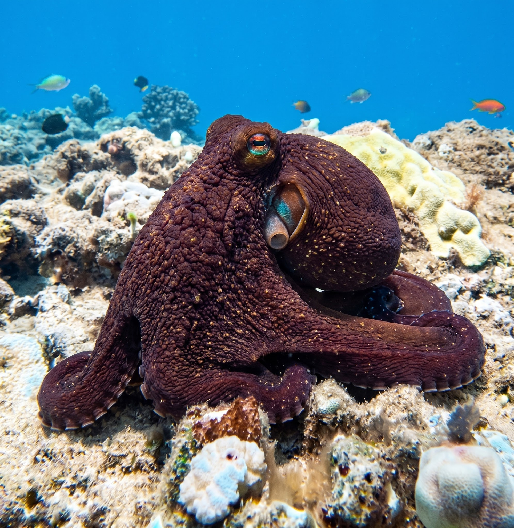
Ecological Role & Biology: The Day Octopus is a true master of disguise. Using specialized skin cells, it can instantly change its color and texture to perfectly match the surrounding lava rock and coral. They are active daytime hunters, crawling across the reef to feed on crabs, shrimp, and small fish. They use their strong tentacles to probe deep into crevices, catching prey unaware. As a self-defense mechanism, they are capable of discharging black ink that works as a smoke screen during a hasty escape.
Flavor: ★★★★★
Culinary Annotations: Tako is highly sought after by local reef foragers and spearfishers. After catching, the meat must be tenderized (traditionally by pounding it with Hawaiian salt). It is the star ingredient in Hawaiian Tako Poke—a delicious local favorite mixed with limu (seaweed), soy sauce, sesame oil, and chili pepper water.
Humuhumunukuapua'a / Reef Triggerfish
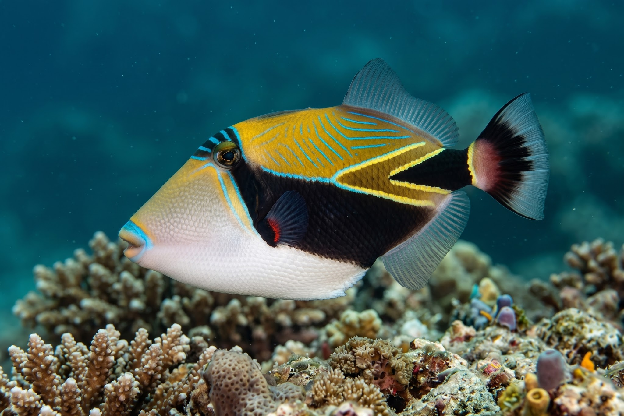
Ecological Role & Biology: Hawaii’s famous state fish, the Humuhumunukuapua'a (meaning "triggerfish with a snout like a pig"), is a benthic forager. It uses its powerful jaws and strong teeth to crush hard-shelled invertebrates, sea urchins, and crustaceans hiding in the reef. They are even known to blow jets of water into the sand to uncover hidden prey.
Flavor: ★☆☆☆☆
Snorkeling Encounters: You will often see them darting into small crevices when approached. If threatened, they lock themselves into their hiding spots using a spine (trigger) on their dorsal fin. They are known to be quite territorial, especially when guarding their nests, and may make pig-like grunting sounds if you get too close.
Puhi / Moray Eel
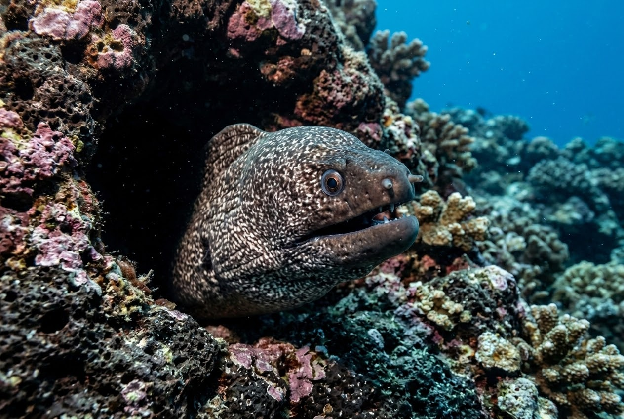
Ecological Role & Biology: Moray eels are the apex ambush predators of the reef's crevices. Common species like the Whitemouth and Yellowmargin morays spend their days resting in dark lava tubes and overhangs. At night, they emerge to hunt sleeping reef fish, octopuses, and crustaceans, relying on their excellent sense of smell to make up for their poor eyesight.
Flavor: ★☆☆☆☆ (⚠️Ciguatera poisoning risk)
Snorkeling Encounters: You will often see Puhi with their heads poking out of holes, slowly opening and closing their mouths. While this looks aggressive, they are actually just pumping water over their gills to breathe. Keep your hands out of dark crevices to avoid accidentally cornering one!
Weke / Yellowstripe Goatfish
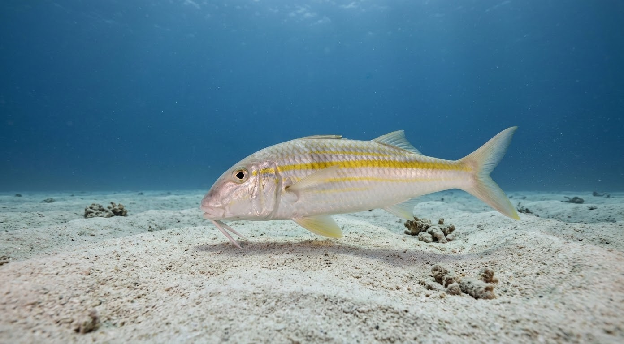
Ecological Role & Biology: Weke are the sand-sifters of the nearshore environment. They are easily identifiable by the two long, sensitive barbels under their chin. They use these barbels like metal detectors, probing the sandy patches between coral heads to dig out buried worms, small crustaceans, and other hidden invertebrates.
Flavor: ★★★☆☆
Culinary Annotations: Goatfish are a popular table fish in Hawaii, offering delicate, sweet, and firm white meat. The most traditional and delicious way to prepare Weke is pan-frying or grilling the fish whole, often with just a simple seasoning of Hawaiian salt and pepper to let the natural flavor shine. The tricky thing about eating Weke, is the meat-to-bone ratio is very low, so it's a lot of work for very few calories!
Uku / Green Jobfish
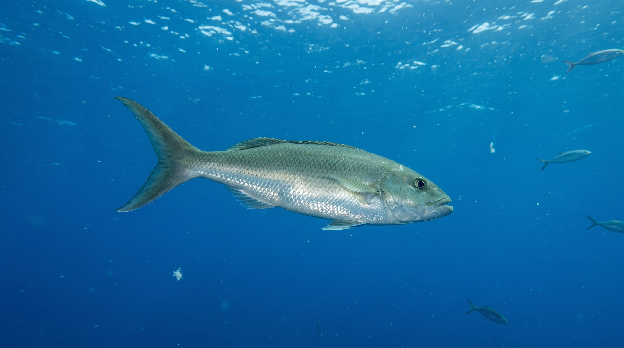
Ecological Role & Biology: The Uku is a sleek, fast-swimming snapper that patrols the middle and upper water columns along deep reef drop-offs. Unlike bottom-dwelling snappers, the Uku is an open-water chaser, hunting smaller fish, squid, and pelagic crabs. Uku is found in deeper water, further from shore.
Flavor: ★★★★★
Culinary Annotations: Uku is a premier target for deep-water spearfishers and boat anglers. Because of its exceptional quality, the meat is highly prized. The firm, translucent flesh makes top-tier raw sashimi, but it is equally outstanding when seared, baked, or steamed.